
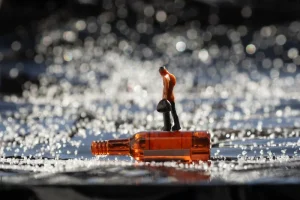
A spiked cider for the holidays probably won’t do too much to dehydrate you — but it could be a completely different story with hard liquor like whiskey, brandy, and vodka. Make sure you’re aware of the alcohol content in your drinks. Some can be tricky — like high-quality wines with a higher alcohol by volume than low-quality wines.

How to Know If You’re Dehydrated
In high-altitude areas, people tend to get drunk faster, too. There’s less air pressure, so alcohol enters your bloodstream even more rapidly. If you’re drinking at Alcohol Use Disorder altitude, you should probably start out with less alcohol than usual. Remember to listen to your body, prep with hydration minerals (aka electrolytes), and never drink on an empty stomach.
- One study with over 3200 participants found excessive alcohol consumption is linked to accelerated facial aging.
- Drinking a lot of low-alcohol drinks can also add up to a very thirsty evening, though.
- On the other hand, if you have access to 190-proof neutral grain spirit, you can make a very strong powdered booze indeed.
- In fact, a mixed drink can be more hydrating (okay, okay, less dehydrating) than taking a shot.
Why Does Alcohol Cause Dehydration?

In another study, thirsty adults perceived a cold carbonated beverage to be more thirst-quenching than water. There is no “safe” level of alcohol in your bloodstream, but there is evidence that side effects increase alongside BAC. Acetate and other waste products are then removed from the body as carbon dioxide and water, primarily through lungs.
Compromised skin health
People believe that beer keeps them hydrated, but the truth is when drinking 200 ml of beer, you pass out 320 ml of water, that’s equivalent to 120 ml of dehydration. Low-alcoholic beer, non-alcoholic beer, and beer mixed with water may cause less dehydration as compared to a full-strength beer with 5% ABV. Even though beer contains 93% of water yet it can be a major source of dehydration. Chronic heavy drinking can result in high blood pressure, which is a leading cause of kidney disease. It can also weaken immunity, increasing a person’s risk of infections.
Drinking plenty of water is crucial to rehydrate your body. However, replenishing lost electrolytes is equally important. Without adequate electrolyte levels, water can’t enter cells and tissues, leaving you at risk of dehydration despite drinking water. Dehydration can cause headaches, muscle aches, brain fog, and fatigue, and hydrating with water and electrolytes helps restore fluid balance and can minimize the unpleasant aftereffects of alcohol.

Is Coffee Actually Dehydrating? Here’s What Dietitians Say
- You may be able to use a lower-proof spirit, but that will require significantly more N-Zorbit to soak it up, and produce a damper, clumpier powder.
- Dehydration occurs when fluid loss is greater than fluid intake.
- Drinking more than that—especially with an already damaged liver—can cause alcohol levels to build.
- Research published in Circulation found that potassium mitigates the adverse effects of alcohol on cardiovascular function and reduces the risk of high blood pressure.
If you does liquor make you dehydrated are wearing multiple layers or in a warm environment, you could induce a light sweat if you drink multiple glasses of wine in a row. The most common symptoms of alcohol dehydration include thirst, a dry mouth, headaches, muscle aches or cramps, fatigue, and dark-colored urine. Drinks with higher alcohol content, including vodka, whiskey, and rum, can have a stronger dehydrating effect than beverages with lower alcohol content, such as beer or wine. If you notice a dry mouth or other signs of dehydration, stop drinking alcohol and prioritize hydration. Electrolyte imbalance can exacerbate dehydration and worsen the unpleasant aftereffects of drinking alcohol, including headaches, low energy, muscle aches, and poor sleep.
- If you’re drinking at altitude, you should probably start out with less alcohol than usual.
- Due to its diuretic effect, alcohol makes it more likely for tissues to be deficient in electrolytes.
- Water is flushed out much faster than alcohol is processed.
Recent Comments